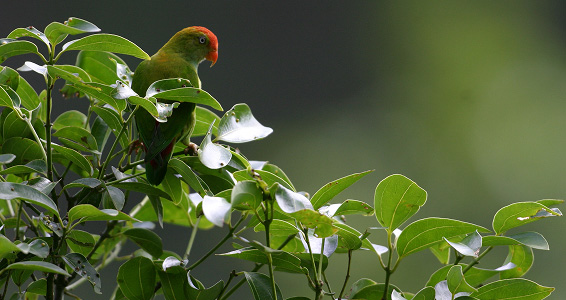
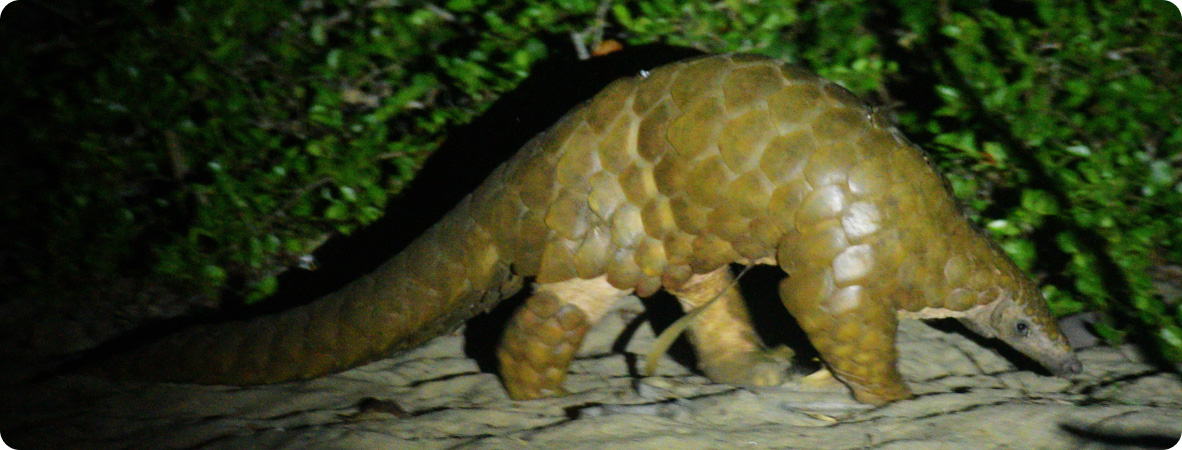
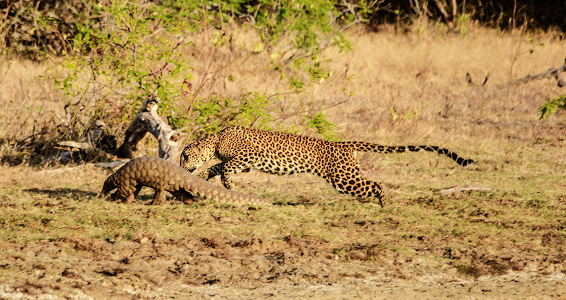
At the heart of Sri Lanka’s remarkable biodiversity lies a profound responsibility: to protect the species that exist only on this island and nowhere else on earth. The Endemics Subcommittee of the Wildlife and Nature Protection Society (WNPS) carries this responsibility with purpose and urgency. As threats intensify from deforestation, climate change, and human expansion, the subcommittee’s work has become more crucial to the study, recovery, and preservation of the country’s most threatened endemic species. Among its most transformative undertakings is the Hemas Endemics Project, a five-year conservation initiative that has reshaped the landscape of species protection in Sri Lanka and set a precedent for large-scale, science-led collaboration between conservation and corporate partners.
With 52 critically endangered endemic species identified as being on the brink of disappearance, the Endemic subcommittee pioneered the Hemas Endemics Project, representing an ambitious effort to reverse this trajectory through targeted conservation action. Backed by an annual investment of Rs. 20 million from Hemas Group of Companies, the project reflects both trust and shared accountability between the private sector and conservation experts. The Wildlife and Nature Protection Society oversees the project’s entire implementation, ensuring that funds are channelled with transparency, research is grounded in science, and outcomes are measured not by intent but by tangible impact. Each intervention, from habitat restoration to population recovery, is guided by evidence and community engagement, forming a holistic framework for long-term ecological recovery.
The project is currently in its third year, with its reach extending across 25 priority species spanning plants, freshwater fish, amphibians, and arthropods. These species were selected through rigorous evaluation based on their vulnerability and ecological significance. Behind every number lies a story of dedicated effort: researchers in remote habitats, local communities participating in protection programmes, and conservation teams nurturing fragile populations back to life. For the first time in decades, measurable improvements have been recorded in the Red List status of several species. This is a testament to the effectiveness of coordinated conservation and the perseverance of those working in the field alongside WNPS in Sri Lanka.
Beyond the numbers, the Endemics Subcommittee has established itself as a hub of accountability and scientific excellence. It ensures that conservation spending is not only efficient but also strategic, prioritising the areas that yield the highest impact. Every rupee invested contributes to active research, field surveys, training, and the dissemination of findings that inform future strategies. Through its advisory role, the subcommittee also supports project partners, researchers, and stakeholders in navigating the complexities of species recovery, ensuring that progress remains steady even in the face of ecological and social challenges.
While the work is far from complete, the subcommittee’s achievements stand as proof that focused, well-managed conservation efforts can yield hope where decline once seemed inevitable. The Hemas Endemics Project has breathed life into a new era of conservation—one that is not reactive but restorative, built on evidence, partnership, and persistence. With several species already showing encouraging recovery trends, the project has reaffirmed that protecting Sri Lanka’s endemics is not only possible but deeply essential to preserving the integrity of the island’s natural heritage. The Endemics Subcommittee continues to lead this effort with scientific rigour, transparency, and an unwavering commitment to ensure that Sri Lanka’s rarest life forms are not lost to time, but endure for generations to come.
The Endemics Subcommittee continues to evolve, recognising that protecting Sri Lanka’s critically endangered flora and fauna cannot be achieved in isolation. Instead, it requires a shared vision, rooted in trust and cooperation, where every reforested plot and every awareness meeting contributes to a national culture of coexistence.