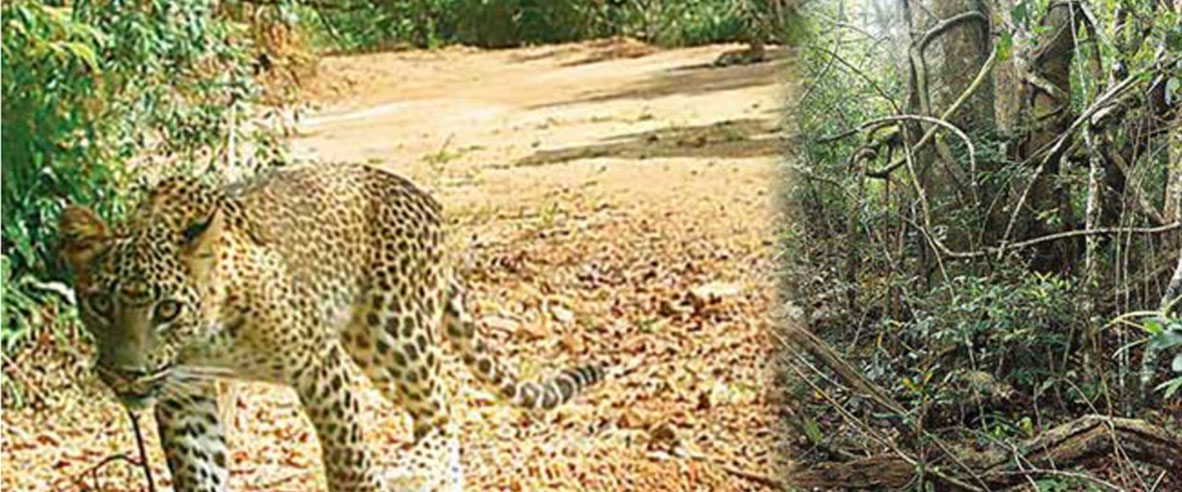
In this article, I would like to consider a few aspects of the evolving and complex relationships between people and leopards, particularly in connection with the tourism industry. Let me begin however with an insight into the role tourism played in changing the public perception of leopards from a position of simply being unaware (or even indifferent) to seeing them as an icon for Sri Lanka.
Roll the clock back to 2001. I had been summoned to see the ‘Chairman’. He sat across a large wooden table in his office and asked me if it was true that I had agreed with his son that we will host three leopard researchers at the then Yala Safari Game Beach Hotel. When I confirmed this was true, he asked me in astonishment if I was aware of how much it would cost to provide two rooms and three meals a day for over a year.
I replied that it would be worth the cost as Sri Lanka would now gain access to international publicity through film crews, which was not happening then, especially so as the country only made the international news due its civil conflict with the LTTE. ‘How long would it take for the first film crews to arrive?’ he asked. I replied it could be two years as it takes time for a credible story to be built around research. I was with the late Herbert Cooray, the then Chair of the Jetwing family of companies.
He had appointed his son Hiran to be the Managing Director of Jetwing Hotels when Hiran was still in his twenties and operated on the basis that his son had to learn from the wins and losses of his decisions. With a sigh and not looking too convinced of the plan, he waved me off.
In February 2001, I had presented a paper to the Jetwing directors for a Jetwing Research Initiative (JRI) under which the Jetwing hotels would support field researchers by providing food and accommodation at their chain of hotels. This had been enthusiastically endorsed by the directors. A few weeks later Hiran called me to join him in his office with Anjali Watson and Andrew Kittle who together with the late Ravi Samarasinha wanted to study leopards in Yala.
This fitted in perfectly with the plans for the JRI. Hiran called the late Upali Weerasinghe and asked him if he was aware that he will be hosting three leopard researchers at the Yala Safari Beach Hotel (later renamed as the Yala Safari Game Lodge). ‘Not heard anything about this’ said a surprised Upali. A smiling Hiran responded that he did now and finished the call. A big giant in Sri Lanka’s tourism industry was now in the game to unite leopards with people and to integrate them into hard currency revenues.
Amila Salgado, a superb all-round naturalist had been hired as the first manager of Jetwing Eco Holidays. I needed to persuade him that we can market leopards as a safari product. We went on safari and I had regaled him with stories of leopard encounters at every bend of the dusty dirt tracks inside the park. After five game drives we had not seen one and he muttered darkly that he is not sure how he can tell clients that they can see leopards when he ain’t seen nothing. Even more aghast was Lalin de Mel the Director Marketing of Jetwing Hotels. He flatly refused to market leopard safaris claiming it would be unethical and a breach of trust.
He and other General Managers of the Jetwing Hotels had been in tourism for over 25 years and no one had mentioned Sri Lanka as being a place for Leopard. None of them had seen a leopard either. They could not tell fibs to tour operators. Hiran decided that the matter should be settled by holding one of the one in two month senior staff meetings at the Yala Safari. I could then take the general managers and senior staff on a game drive and show a leopard if they did really exist. The result was spectacular and Lalin very soon began to run full page advertisements with leopards stating Jetwing Hotels have interesting neighbours. And so it began.
Jetwing was not alone. Also present was Sanjiva Gautamadasa who later succeeded Lalin as Director Marketing and presently is supporting a study of small cats by the Small Cat Advocacy and Research (SCAR) at Malabar Hill, a boutique hotel in Weligama managed by him. Other champions emerged in tourism including Gehan Perera of Aitken Spence Travels. Not too long afterwards, Chitral Jayatilake of John Keells arrived on the scene and continues to make an impact today with his tireless marketing of Sri Lanka as a destination for wildlife film crews.
The local safari drivers eagerly embraced the idea. Yala became a place that visitors arrived not for a quick drive to the beach and a small chance of seeing an elephant, but on focused safari visits with five or more game drives.
A group of local leopard enthusiasts including Rukshan Jayewardene and Jehan Kumara were working on a book titled For the Leopard. Rukshan and Namal Kamalgoda kept me supplied with ground intelligence and anecdotes that helped my own efforts to photograph leopards and crank up the media coverage and refine the marketing literature we took.
I particularly remember Namal telling me a story when around 2001 he had been filling his vehicle with fuel at Tissamaharama when the petrol shed attendant had asked him why he was going to Yala. When Namal had replied that he was planning to photograph leopards, the attendant had been astonished and asked if leopards were found in Sri Lanka. The leopard was a long way away from becoming the darling of the public.
The intense commercial focus on leopards has had a negative impact in over-visitation and bad behaviour in parks. However, I have written on this topic before and pointed out that this is problem that has been solved many times before by park managers using methods such as defined routes each subject to a booking system for a defined number of tickets. With law and order and common sense and using modern technology this can be resolved if there is a will.
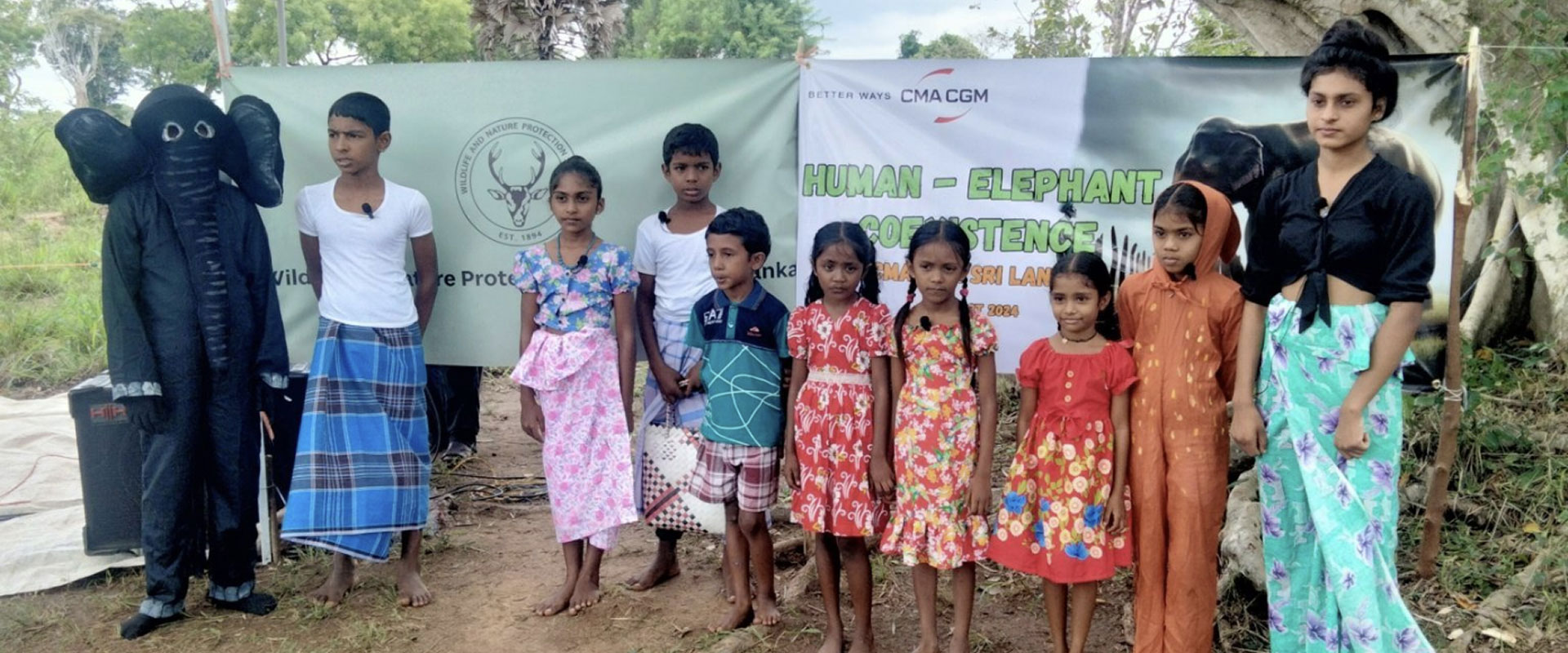
The public pretty much has been won over. Or more correctly, the public who visits leopard areas have been won over, especially if they are privileged enough to go on safari and take pictures. What more can tourism do? One key area is the mitigation of leopard human conflict, especially arising from livestock predation by leopards. One example of the large tourism corporates lending support is the provision of metal pens by the John Keells Foundation to farmers around Yala.
The Wilderness and Wildlife Conservation Trust (WWCT) has partnered with tourism companies and plantation companies and the Dilmah Foundation in the central highlands to mitigate human-leopard conflict. They are also partnering with the private sector to create wildlife corridors and to rehabilitate montane forests to improve the extent and quality of leopard habitat.
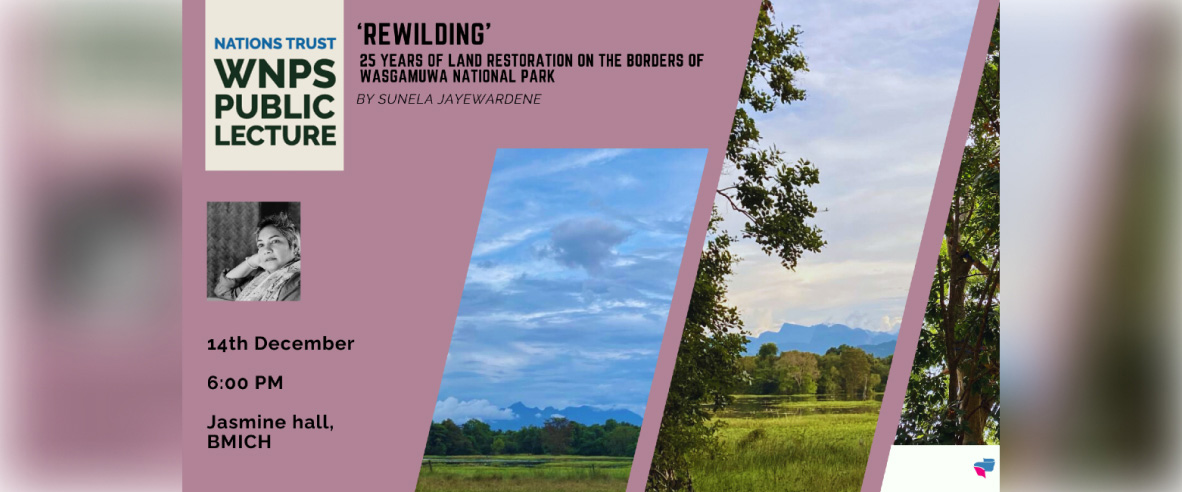
The Wildlife and Nature Protection Society (WNPS) is a long-standing conservation NGO that is also working with the private sector to create corridors for wildlife. They also have a sub-committee that supports research. Re-wilding and creating new habitat is a key area in which people can help as attitudes change towards the cats. Changing attitudes can also help by supporting research, even it is simply by the provision of logistics support such as food and accommodation at game lodges.
Many conservationists either as individuals or as small or large conservation NGOs are also raising awareness of the terrible toll that laying snares for bushmeat can inflict on animals like leopards. More lobbying and education is necessary to make the public understand that their wild boar starters from bushmeat can inflict terrible pain and suffering on a much loved and iconic cat.
More can be done by the private sector, the public and government to make the island safer for its top predators. As leopard spread their ranges, people will also need to adapt and learn to take their pets and livestock into safety in the night. There is also a pressing need to increase the research effort. Love is not enough, we also need evidence-based decisions taken on the back of solid research. In this area, a bold and ambitious undertaking would be to introduce an easy to get visa for skilled foreign nationals who on an unpaid basis will be willing to come to Sri Lanka and volunteer or work as interns. More on this is in my article published on 23 May 2025 in the Island newspaper.
The leopard is a compelling story of how an island’s people changed from indifference to being proud of its top cat and seeing it as a brand icon for marketing the island. It could also become a symbol of a renaissance in science and technology if the island could bring in foreign expertise to work with its local scientists and technologists through innovative ideas like a knowledge transfer visa.
By Gehan de Silva Wijeyeratne