The threats faced by leopards in Sri Lanka are not isolated; they are interconnected and compounding. Habitat loss leads to fragmentation, which in turn isolates populations, increases conflict, and heightens vulnerability to snares and poaching. The decline of prey and the rise of human settlements only tighten the noose.
But Sri Lanka finds itself in a better position than many other nations with substantial extant biodiversity, including wild prey for leopards, as well as reasonable forest cover and a climate that allows for effective reforestation and natural regeneration of degraded areas. A well-entrenched conservation ethic which sees sharing space with wildlife as normal creates additional momentum for long-term conservation.
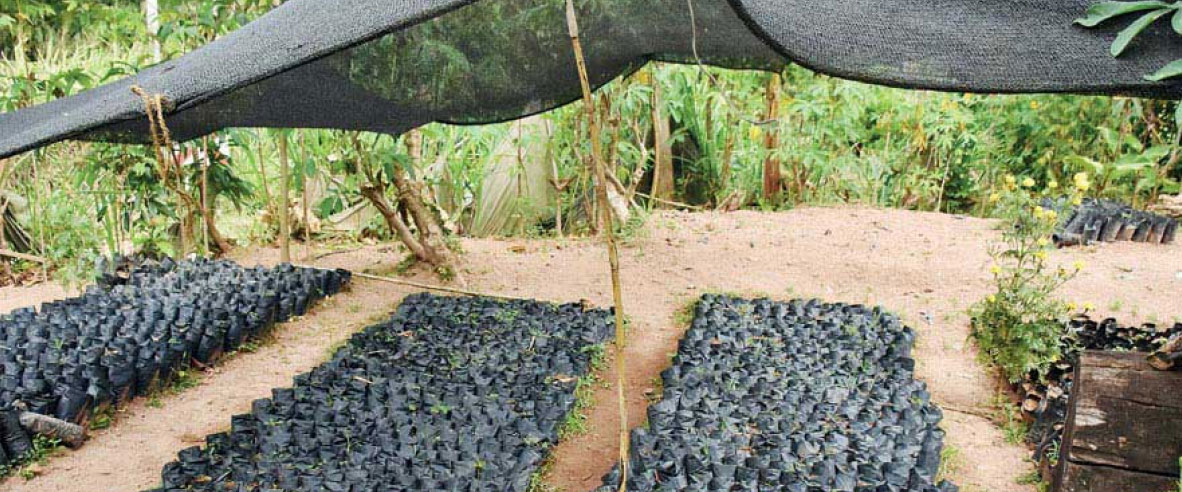
Conservation solutions must be multi-faceted: protecting existing habitats, reconnecting fragmented landscapes through identified ecological corridors, and strengthening law enforcement. Community engagement and snare removal campaigns are also crucial in areas where these are now very real threats.
Wildlife needs stepping stones of connected forests within the fabric of a human dominated landscape. We must move beyond thinking of Protected Areas as islands. Instead, they should be viewed as nodes in a larger ecological network — one that requires political will, scientific insight, and public support to thrive. The leopard is an ideal proxy for wider conservation on this island. It’s unique ‘Umbrella species’ status – the influence it exerts on larger landscapes and biodiversity – means that ensuring this island leopards future, could ensure our functioning ecosystems.
We must act now, so that the Sri Lankan leopard does not become a shadow in the future— a symbol of a wilderness we failed to preserve. It bodes well that we still have leopards, let us not take that for granted.
This article first appeared in the Sunday Observer on the 3rd of August 2025.